Editor’s
Note: To catch enough fish for a fish fry this year, you’ll have to fish for
the aggregate, made up of a total of 20-different species of varying sizes of saltwater
fish, with only a certain number of each species. Captain Butch Tucker of
Orange Beach, Alabama, a 38-year veteran of fishing the Gulf of Mexico, tell us
how to catch the aggregate this summer.
Getting
Ready To Catch the Aggregate:
If
you’ll be catching the aggregate, start by catching live bait like blue
runners, pinfish, croakers and other live bait that you can feed to the bigger
fish. If you can’t catch live bait, you may be able to purchase it. Regardless
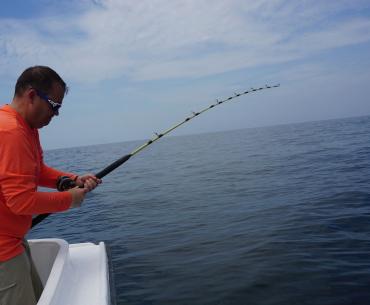
of the species I’m targeting first, I’ll put out feather dusters to high-speed
troll on the way to my fishing grounds. Most fishermen use 60-pound-test wire
line for high-speed trolling, to allow their baits to get deeper than
monofilament line will.
Many
anglers like the Wahoo Waster for fast trolling, but others prefer to use Ilanders
or other baits designed for fast trolling. Fifteen to 20 feet in front of the
lure, most anglers run a 1- to a 1-1/2-pound lead to help get the line and the
lure deeper in the water. The boats troll these lures at about 15 knots or less
in hopes of catching king mackerel, bonita, wahoo or possibly blackfin tuna. During
the aggregate, you can keep two king mackerel weighing from 8- to 50-pounds
each per person. If you catch two or three wahoo, you can consider it a great
fishing day.
Because
we have fresh, live bait, my second target species will be amberjack. Amberjack
are hard-fighting fish, and if we fish deep water, we often can catch 20- to
40-pound amberjack. The amberjack tend to hold on large wrecks, offshore rocks
and reefs and deep-water gas and oil platforms. My favorite places to fish for
amberjack are sunken school buses, combine machines, barges or boats. You’ll
find amberjack concentrating near large, underwater man-made or natural structures
that can hold and support plenty of baitfish. You may catch amberjack in water
as shallow as 60-feet deep to water as deep as 400 feet. Amberjack don’t feed
on the bottom but instead tend to feed in either the mid or the upper story of
the water. We use 60- to 80-pound-test main line and put a slip lead up the
line. We generally use a 6- to an 8-ounce slip sinker on the line, and below
the sinker, we’ll have a barrel swivel and 6 to 12 feet of leader.
Locating
Quick and Easy Snapper:
We
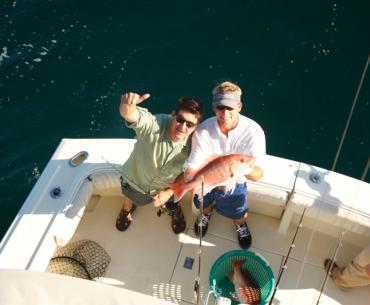
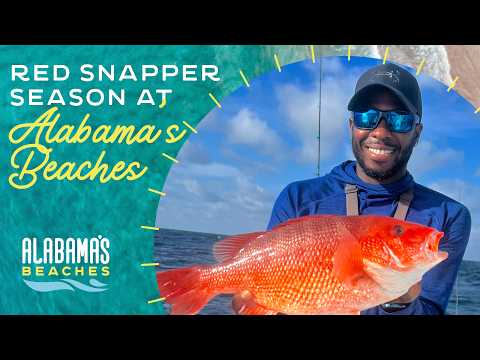
can fish one artificial reef or rock pile and limit out on red snapper. Since
the limit is only two snapper per person, and there are more red snapper on the
Upper Gulf Coast now than ever before, catching the two-snapper limit is a
quick and easy task. If you’re fishing for 2- to 4-pound snapper, use a two-hook
rig and cut bait like squid, northern mackerel, cigar fish or bonita. For big
red snapper, if we’re fishing in relatively-shallow water, about 130 feet or
less, we’ll use a knocker rig fished on a light-action deck rod or a heavy-action
spinning rod with 30- to 50-pound-test line. “We’ll use a 2-ounce slip lead up
the line and tie a No. 5/0 hook to the end of the knocker rig. This way, when
the bait is cast out, the lead slides down the line ahead of the bait.
Finishing
the Aggregate Gets Tough:
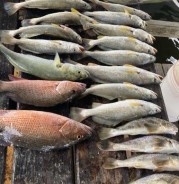
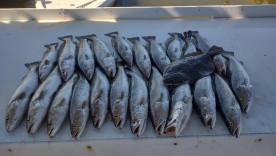
Since
we only can have a total of 20 fish per person, we’ll target white snapper, Lane
snapper, vermilion snapper, scamp,
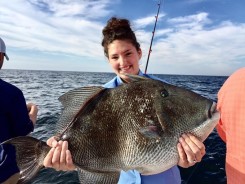
grouper and mangrove snapper, as well as triggerfish. The triggerfish usually will
hold in water less than 200-feet deep,
particularly on natural bottom or other
types of structure in 90 to 130 feet of water. I’ve found that live coral or
rock bottoms tend to produce more white snapper, vermilion snapper and
triggerfish than wrecks, artificial reefs and oil or gas platforms do.
Learning
the Hard Cold Facts:
On
Alabama’s Gulf Coast, catching the aggregate has become more difficult as red-snapper
populations have exploded. The American red snapper appears to have displaced
many of the other once-plentiful reef fish on reefs and wrecks. Although you’ll
enjoy catching and releasing red snapper, you’ll have fun too, catching the
aggregate and taking home fish to eat, if you can dodge the red snapper.
You
can contact Captain Butch Tucker by calling Zeke’s Landing Marina in Orange
Beach, Ala., at (800) 793-4044 or (251) 981-4044, or visit www.zekeslanding.com.