Saltwater Fly Fishing
in Gulf Shores & Orange Beach
There are certain places that surprise you when you pick up a fly rod. Alabama’s Beaches was one of those places for me.
I first came down to the Gulf Coast a few years ago in May, expecting a few days of fishing, exploring and (naturally) some very good seafood. What I didn't necessarily expect was just how solid the quality of the inshore fly fishing was. I’ve managed guide teams at fishing lodges around the world, including a well-known lodge in Belize, and have been lucky enough to work and fish around the world over the past 20 years. I had no idea saltwater fly-fishing of this caliber was waiting on the Alabama’s Beaches. I was, as we say, hooked.
Then, on a return trip in 2026, I found myself back on the water chasing redfish, speckled trout, jacks, and more. At one point, I was running through the surf after a school of redfish, then turning around to get in a cast as they squirted across a sandbar. In that moment, this was proper flats fishing… and that was not something I’d known was in Alabama.
Tips for Fly Fishing on Alabama's Beaches

Where to Fly Fish on Alabama's Beaches
Alabama’s Beaches, Gulf Shores, Orange Beach, and Fort Morgan, offer a surprisingly diverse saltwater fly fishery. You can wade shallow water, fish the bays and backwaters from a skiff, work the surf or head farther offshore depending on conditions and your target species. The mix of beaches, grass, sand, passes, bayous and nearshore structure creates plenty of opportunities to put a fly in front of a fish.
And for me, that's the magic: you don't have to travel halfway around the world for a memorable saltwater fly-fishing trip.
Best Fly Fishing Species to Target
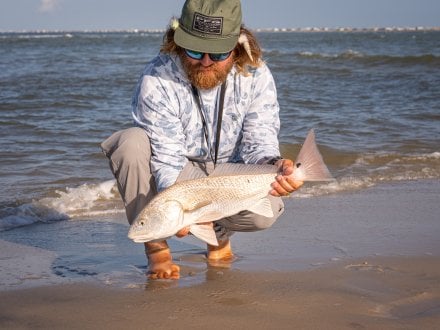
If you're new to fly fishing Alabama’s Beaches, redfish are a fantastic place to start. They’re a Gulf Coast classic and for good reason: with aggressive strikes and powerful fights, these popular, copper-colored coastal gamefish are worth putting on your target list.
For those who have not done much sight fishing, there’s something completely different about seeing a fish, watching it wake, and then trying to make the right cast and presentation. It's hunting, not simply casting. And it’s addicting.
We had a particularly fun session wading the flats and then chasing a school of reds through the surf. It was one of those wonderfully chaotic fishing moments where you stop worrying about everything except getting the fly in front of the fish. The rest of the world goes quiet and, in this day and age, we all need a little more of that.
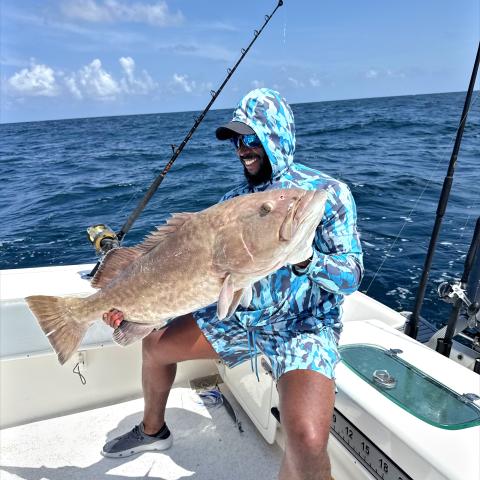
Flounder, black drum, sheepshead, and jacks can also come into play, depending on the season, water, and location. I've already checked black drum off my Alabama fly-fishing list, and I'm looking forward to adding more species on future trips.

Best Saltwater Fly Fishing Gear
Fly fishing can be intimidating when you start looking into the gear. It’s easy to get lost in the lingo: rod weights, two-size-heavy fly lines, what size fly and does it need to have lead or dumbbell eyes.
Here’s the truth, though: you don't need an enormous arsenal of tackle. And most local guides will have a kit ready for you to use; all you need to show up with is the proper clothing (lightweight, long sleeves and long pants, a good hat, sunglasses, and sunscreen!) and hop on the boat.
For inshore fishing, a 6- to 9-weight rod is a good general range, paired with a reel carrying plenty of backing. A floating line will cover many situations, although a sink tip can be useful when fish are holding deeper.
For surf fishing, I'd generally step into the 6- to 10-weight range. Intermediate or sinking lines can be particularly useful in the surf, although calmer conditions may call for a floating line. For any fishing here, ensure you have a reel with a solid drag, as these are strong saltwater fish and will give you a good run once hooked. And give all your gear a good rinse in freshwater when the day is done: leaving saltwater on your kit will chew it up pretty quickly! Take care of it, and it will take care of you.
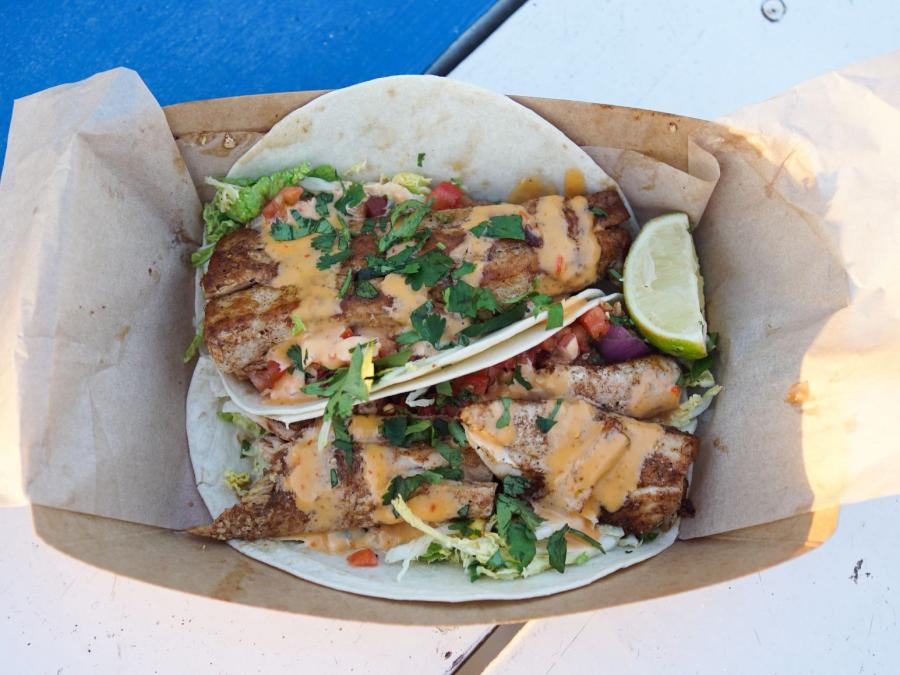
More important than having every possible piece of gear is being prepared for wind. This is the Gulf Coast, after all. I've had beautiful, sunny days on Alabama’s Beaches followed by weather that shut down our fishing plans entirely. On my 2026 trip, gale-force winds blew us off the water for two days. That's saltwater fishing (we visited local fly and tackle shops instead, and had a stellar blackened grouper lunch at the Flora-Bama Yacht Club, so there were no losers regardless of the weather). Build some flexibility into your trip, watch the forecast and don't be afraid to change Plan A when conditions demand it.

How to Find the Best Fly Fishing Spots
One of the biggest lessons I can offer any new saltwater fly angler is to stop looking at the water as one giant blue sheet. Instead, look for current seams, cuts, deeper holes, grass, sandbars, points and places where fish are likely to find food. Along the beach, changes in the bottom and deeper pockets created by wave action can attract fish. In the bays and backwaters, pay attention to moving water and structure.
And then watch.
Birds can tell you where bait is. Bait can tell you where predators are. Nervous water, wakes, tails, flashes and sudden changes in current can all be clues. Saltwater fly fishing is often less about making 500 casts and more about making the right cast when an opportunity appears. As in all things, accuracy matters.

Hire a Local Guide
If you're visiting Alabama’s Beaches and don't know the water, I'd strongly recommend booking a local guide—especially if you're new to saltwater fly fishing. A good guide does much more than put you on fish. They teach you how to read the water, where to look, how to adjust your casting for wind and which flies and tackle make sense for the conditions. Local knowledge is a huge advantage in a fishery where tides, wind and water clarity can change the game quickly.
I've been fortunate to fish with Captain Sam Glass of FlyWay Charters and Captain Frank Harwell of Coastal Blue Persuasion Fishing on my Alabama trips, and having experienced local eyes on the water made a huge difference. Sam put me on my first Alabama redfish, while Frank took us farther offshore to explore reefs and structure. Those different experiences are part of what makes this stretch of coast so much fun.
For visitors, local fly and tackle shops can also be invaluable sources of current information. Ask what's happening right now, not what was working three weeks ago. Buy a few flies or maybe a new hat, have a chat, and then head out. It’s hard not to have a good day on the water at Alabama’s Beaches.

Jess McGlothlin
Jess McGlothlin is a freelance photographer and writer in the outdoor industry.