Fly Fishing
in Gulf Shores & Orange Beach
When most people think of fly fishing, they immediately think of wild streams in the mountains or rivers winding through a valley somewhere. Most would think of salmon or trout, not saltwater species and when it comes to locations, who would think of Alabama's Beaches? Most wouldn’t think of fly fishing in Gulf Shores, Orange Beach, and Fort Morgan, but they should! The Alabama Gulf Coast offers some of the best saltwater fly fishing opportunities in the country and for a wide range of species, both inshore and offshore.
Alabama's Beaches are home to many species of game fish that can be targeted with the right fly fishing gear. A wide range of outfits will work throughout the inshore and nearshore waters of the Gulf Coast. Below, we will look at the common areas to fish, the common species to expect, and the appropriate gear to use.
Fly Fishing Tips for Alabama's Beaches
Inshore Bays & Waterways Fishing
Inshore Bays & Waterways Fishing
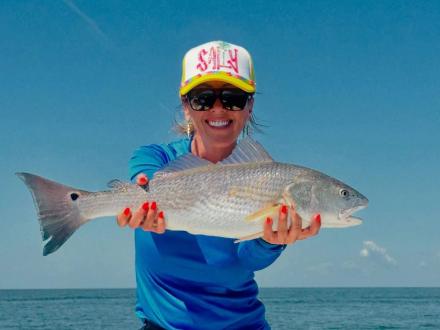
When fly fishing in the inshore bays along the Alabama Gulf Coast, use 6-9WT outfits and matching reels with at least 100 yards of 20 lb. or higher backing. Floating lines will work for most scenarios, although sink tip lines may be used when needed. You can target redfish, speckled trout, flounder, black drum, mangrove snapper, sheepshead, and even tripletail.
Surf Fishing
Surf Fishing
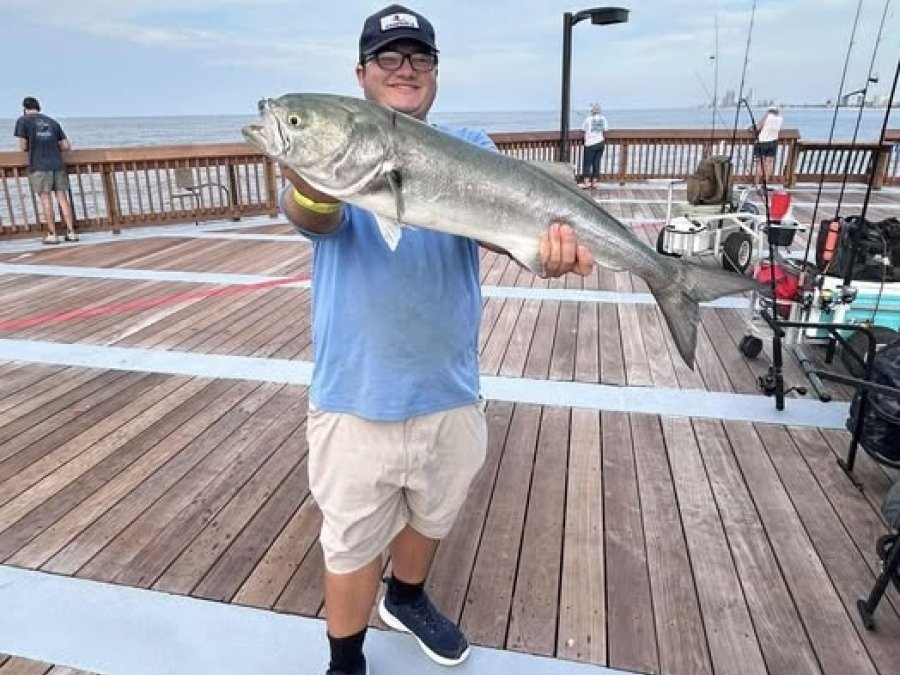
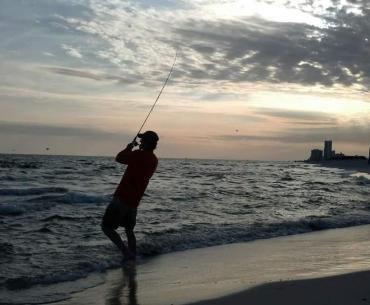
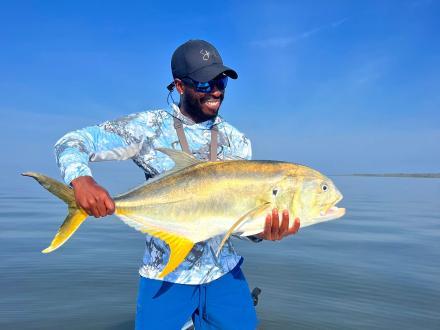
The surf conditions can change your tackle needs swiftly, but for most outings, 6-10WT outfits and matching reels with at least 100 yards of 20lb or higher backing are used. Full intermediate lines are favored, as are full sinking, but during calm conditions, floating or floating with intermediate tip lines may be used. Along our shores, common species caught with fly fishing in the surf include redfish, speckled trout, flounder, and pompano. Some anglers have even managed to catch Jack crevalle, bluefish, and ladyfish while surf fishing near passes.
Offshore/Nearshore Fly Fishing
Offshore/Nearshore Fly Fishing
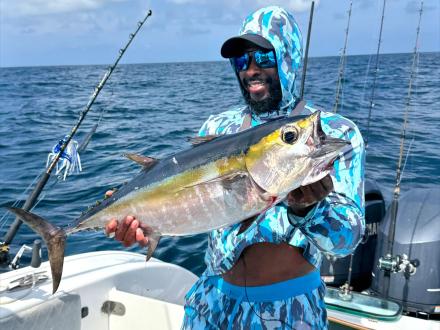
Outfit options are wide-ranging, considering the number of species and different structures/depths to be fished. For the open waters around the beachfronts and inlet mouths, 8-10WT outfits are best suited. Line options range from floating lines for throwing topwater patterns to fast sinking. Reels for these outfits should hold at least 150 yards of backing and preferably with larger arbors for recovering the line quickly.
For tarpon, cobia, tuna, and other larger fish, 10-14WT outfits become necessary. The stout rods should be matched to reels with powerful drags and higher capacities of 300 yards of 30lb or higher backing. Line options will widely range to suit the scenario and targets, but anything from floating to fast sinking lines may be needed. The staff in local shops can help you with choosing the right lines.
Fly Fishing Bait
Fly Fishing Bait
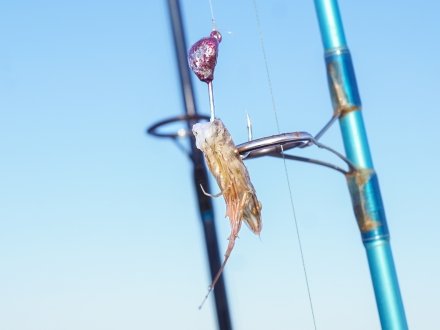
As the saying goes, “match the hatch” is as true an expression and tactic here as it is anywhere else that one would fly fish. Knowing the local forage helps tremendously. Some of the more common bait types along the Alabama Gulf Coast include mullet, croaker, menhaden, killifish, sardines, shrimp, crab, and sandfleas. Contact local shops to find out what they’re biting on, or visit a local bait shop, and they’ll show you the most productive patterns. Some of the most popular year-round patterns include Clouser minnows, deceivers, gurglers, gummy minnows, supreme shrimp, spoon flies, and surf candies.
Fly Fishing Tackle
Fly Fishing Tackle
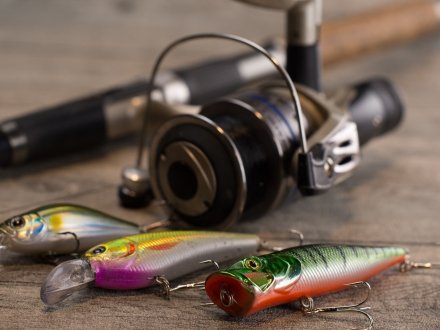
A fly fishing rod and a box of flies get you close, but you still need the proper leader setups and connections when fly fishing in Gulf Shores. In most scenarios, mono leaders of 8-9ft are used with relatively short tippet sections added. Common leader sizes range anywhere from 8 to 30 lb. The tippet can be the same size or even smaller than the tapered leader it is attached to, but occasionally, a larger tippet is needed when toothy fish like bluefish and mackerel are present. When fish are particularly spooky, or when you’re trying to sink your fly a tad bit faster, fluorocarbon becomes the leader material of choice. Fluorocarbon is generally less visible and, with its higher density, will sink a fly faster than with monofilament.
Knot choices are practically endless, but I often find it best to use a knot that allows the fly to move more freely on the retrieve, giving it a bit more “swim.” For this reason, I prefer the perfection loop. It’s fast and easy to tie in virtually any type or size of leader material. Many knots may be used, and there are many good knots to choose from.
Fly Fishing Lessons
Fly Fishing Lessons
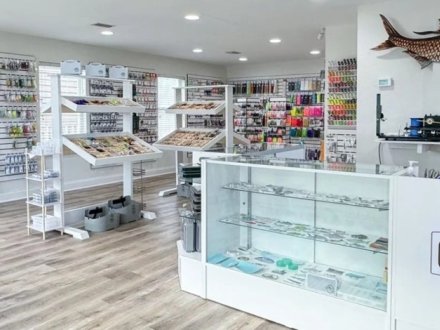
Those who want to learn all there is about fly fishing should pay a visit to Community Fly Supply. This locally owned and operated shop has all the gear needed for fly fishing, including custom flies, name brand rods, reels, and accessories. The knowledgable anglers on-site also offer fly-casting land fly tying lessons and guide services. These experts will share with you the best fishing spots, help you pick out gear, and give you tips and tricks for fly fishing on Alabama's Beaches.
Gulf Coast Classic Fly Fishing Festival
Gulf Coast Classic Fly Fishing Festival
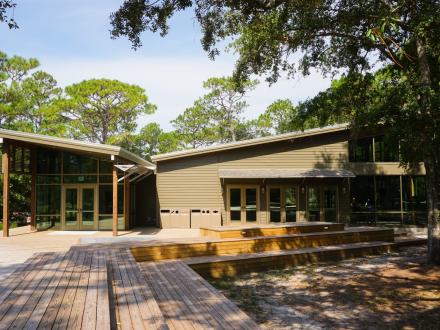
Each year, the Gulf Coast Council of Fly Fishers International hosts the Gulf Coast Classic Fly Fishing Festival at the Learning Campus in Gulf State Park on May 1-2. This two-day event features workshops, seminars, and a multi-species fishing tournament. Anglers of all skill levels and ages are invited to attend, as classes range from beginner instructions to advanced lessons from fly fishing experts across the country. Additionally, dozens of exhibitor booths, including fly shops, gear companies, guides and outfitters, publications, and clothing brands, will be located throughout the festival. The weekend also includes a film showing, auctions, raffles, and lots of opportunities to connect with fellow fishing enthusiasts.
Chris Vecsey
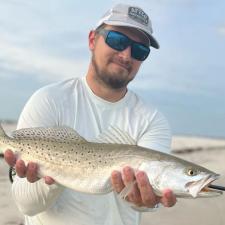
Chris Vecsey is a life-long angler and USCG licensed captain. He is a tackle salesman at Sam's Bait and Tackle in Orange Beach, Al as well as a writer/contributor to numerous fishing magazines and podcasts. He spends extensive hours on the water chasing numerous species and going broke in the process.