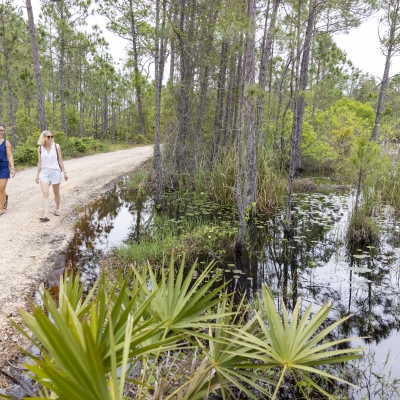
Protecting Wildlife Along Alabama’s Beaches
The Bon Secour National Wildlife Refuge is a popular place for people to connect with the coast - but that's not its only purpose. True to its name (French for "safe harbor"), the refuge was established in 1980 to protect endangered and threatened species and migratory bird habitats.
Nature, Trails, and Wildlife
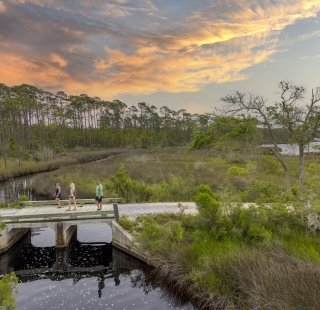
The refuge encompasses 7,000 acres of coastal barrier habitats and is believed to be one of the last remaining undisturbed habitats along the Gulf Coast. Nestled within this protected sanctuary are miles of diverse coastal ecosystems that support a variety of birds, animals, and plants unique to our seaside scenes.
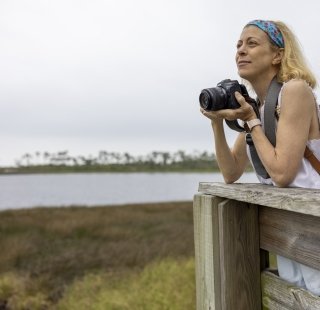
Bon Secour National Wildlife Refuge is a haven for more than just the wildlife and plant life that call it home. Those looking for an outdoor escape can experience the natural beauty of our area inside the refuge. With miles of trails, kayak and paddleboard launches, and plenty of fantastic photo opportunities, it's a wonderful place to visit. Pack a picnic and spend the day exploring this magnificent coastal oasis. Because the Bon Secour National Wildlife Refuge is home to various wildlife, pets are not allowed anywhere inside the refuge or along the trails.
Trails in Bon Secour National Wildlife Refuge
Visitors to the refuge can travel along four designated hiking trails that explore each habitat, offering prime opportunities for wildlife viewing, birdwatching, photography, and more.
Because you're entering a protected wildlife sanctuary, it's best to be prepared before you go. The four trails vary in length, terrain, and difficulty; some include areas for protected species you'll want to avoid. So, you can prepare to share the space responsibly. Here's what to expect from each trail.
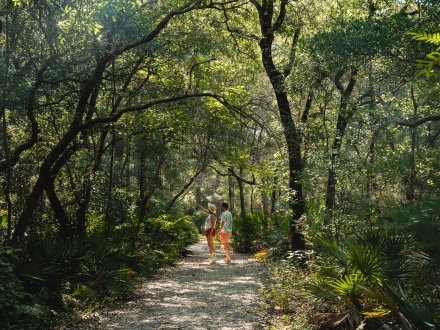
Jeff Friend Trail
Jeff Friend Trail
1.0 Mile Loop
Difficulty: Easy
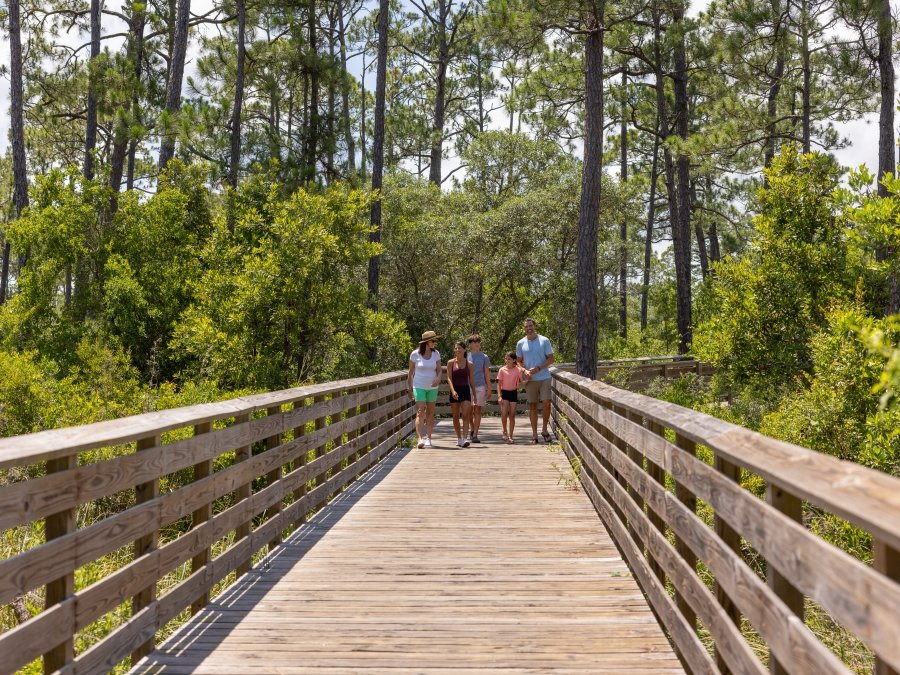
The refuge's easiest trail is a one-mile loop that explores the coastal marshes and maritime forest adjacent to Little Lagoon. The Jeff Friend Trail is packed with diverse ecosystems and abundant wildlife, making it a favorite for birdwatchers and plant enthusiasts. It's also one of the most popular trails thanks to a wide, flat boardwalk that's wheelchair accessible and comfortable for all ages. Convenient benches along the trail provide spots to rest among the scenery.
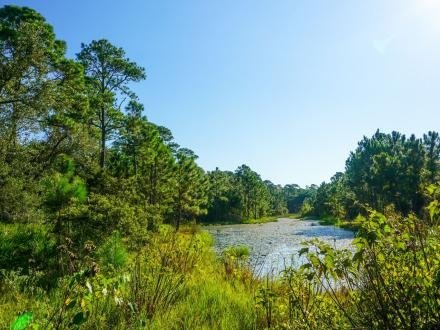
Centennial Trail
Centennial Trail
2.0 Miles (One-Way)
Difficulty: Moderate
The Centennial Trail is a connector trail between two sides of the refuge, but it has a unique charm that's all its own. Beginning at the Jeff Friend trailhead, it travels two miles through dense marine forests, near sandy dune swales, and into a coastal wetland before ending at the Pine Beach Trail. Its winding boardwalk travels deep into the most secluded parts of the refuge, offering a quiet hike full of shy wildlife and shaded plant species. Some areas of the path may be wet, so wear appropriate footwear and tread carefully.
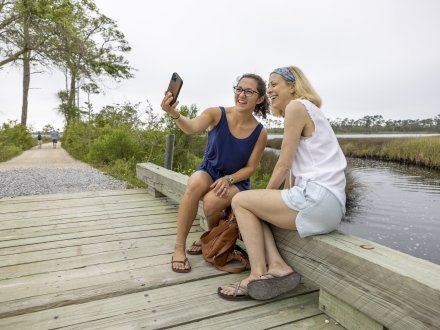
Pine Beach Trail
Pine Beach Trail
2.0 Miles (One-Way)
Difficulty: Moderate - Strenuous
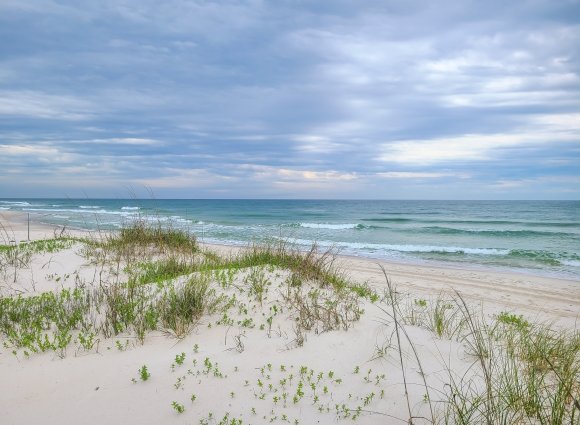
The refuge's most popular hike, Pine Beach Trail, takes you on a vibrant journey through an intact dune ecosystem that includes maritime forest, scrub and dune habitats, and a beautiful coastal beach. The shifting landscapes allow a unique variety of seaside plant and animal life, especially where it crosses between Little Lagoon and Gator Lake. After walking a short distance through towering dunes, you'll emerge at a sandy beach perfect for a picnic and photo-op before returning the way you came. Although flat and well-packed, the sandy portions of Pine Beach Trail may challenge inexperienced hikers. Sections of the trail near the beach provide a nesting area for sea turtles, the Alabama Beach Mouse, and the Snowy Plover, so be sure to stick to the marked trail and observe all closed area signs.
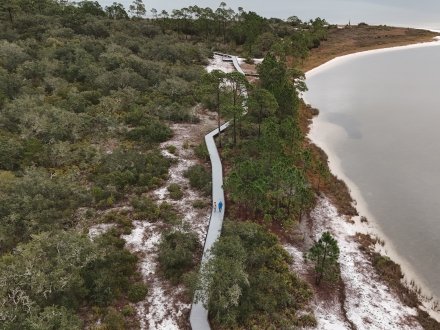
Gator Lake Trail
Gator Lake Trail
1 Mile (One-Way)
Difficulty: Moderate
Don't let its short one-mile distance deceive you - the Gator Lake Trail is one of the refuge's most diverse and vibrant hikes. It begins on the Pine Beach Trail and winds around Gator Lake, journeying through a transitional habitat between maritime forests and the frontal dunes. Trudging through the dunes can be a challenge, and many cross right over the trail path, making this a trail best suited to adventurous hikers. The reward is worth the work, as you'll be treated to stunning waterfront views and the unique bird and animal life that thrive in this transitional landscape.

Wildlife in Bon Secour Wildlife Refuge
You'll find many exciting furry, feathery, and scaly residents inside the refuge. Alligators, red foxes, armadillos, and even bobcats are familiar sights on any trip down the trails. Unlike a zoo, the wildlife is free to roam as they please, so keep your distance.
If you're lucky, you may also glimpse some not-so-common creatures. The refuge is home to endangered species that depend on its protection for survival and recovery. Many of these species are shy and seasonal, making them even more special to spot.
When you visit, tread quietly and keep your eyes peeled for some of these wonderful wildlife residents.
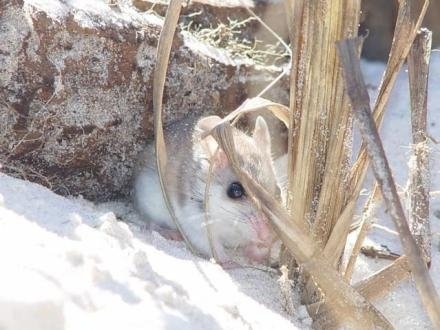
Alabama Beach Mouse
Alabama Beach Mouse
It's rare to see this nocturnal dune dweller, but you'll know it's there by tiny tracks among the soaring sand dunes. The Alabama Beach Mouse plays an essential role in maintaining our dune communities, but much of its habitat has been destroyed by coastal development. In fact, the refuge protects their only remaining undisturbed habitat in the state. When traveling the Pine Beach Trail, stay on the marked path and avoid the dunes.
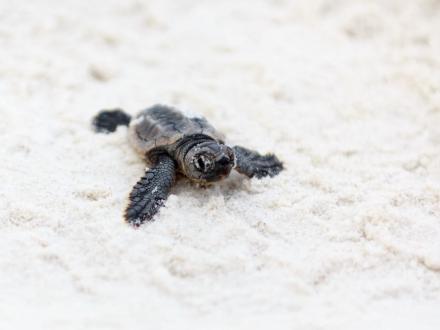
Sea Turtles
Sea Turtles
If you visit from May to October, you may spot sea turtles nesting on the refuge shores. The beaches are a haven for various sea turtles during nesting season, including Loggerhead, Green, and Kemp's Ridley turtles. Staff and Share the Beach volunteers protect and monitor the eggs during incubation, then see the newborn turtles safely to the surf. These species are in decline worldwide, and the refuge is an important step in sea turtle recovery. Please do not touch or disturb sea turtle nests, hatchlings, or tracks.

Birds
Birds
The bird is the word at Bon Secour National Wildlife Refuge. The refuge is home to more than 360 species of birds, from warblers to waterfowl to woodpeckers and more. The best times for birding are spring and fall, when the refuge serves as an important stopover and staging habitat for hundreds of migratory songbirds. You'll find feathered friends along every trail, so don't forget to grab your binoculars.
Plant Life in Bon Secour National Wildlife Refuge
Animals aren't the only wild things that plant their roots here. Almost 7,000 acres of diverse coastal wilderness provide plenty of places for plant life, and the refuge has some fantastic flora. Whether you enjoy colorful blooms, delicate foliage, or towering trees, you'll find some of everything along the trails.
As you explore the lush maritime forest, wander through the wetlands and stroll near the dune swales. Interpretive signs and handy guidebooks will point out the unique plants that live in each landscape.
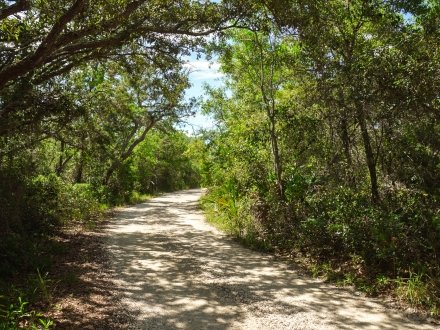
Trees
Trees
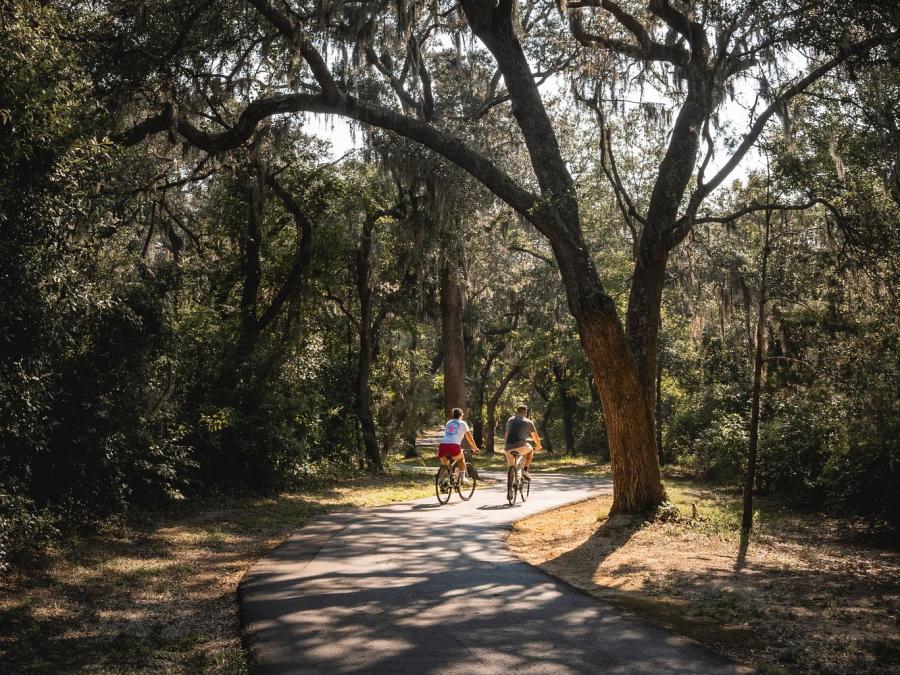
If trees are your thing, you're really in for a tree-t. You'll find dozens of unique tree species across the refuge, including live oaks, southern magnolias, longleaf pines, bald cypress, Atlantic white cedar, and many others. In maritime forest areas, they all come together under a dense canopy draped in thick Spanish moss.
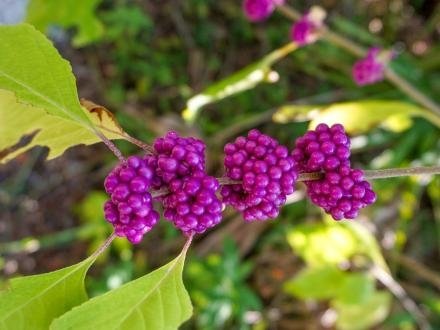
Blooms & Berries
Blooms & Berries
Flowering plants and shrubs provide a splash of color as well as seasonal snacks for birds, squirrels, and other refuge wildlife. The most common species include blueberries, wild olive, muscadine, saw palmetto, Yaupon, Conradina, and Persimmon.
Coastal Scrubs
Coastal Scrubs
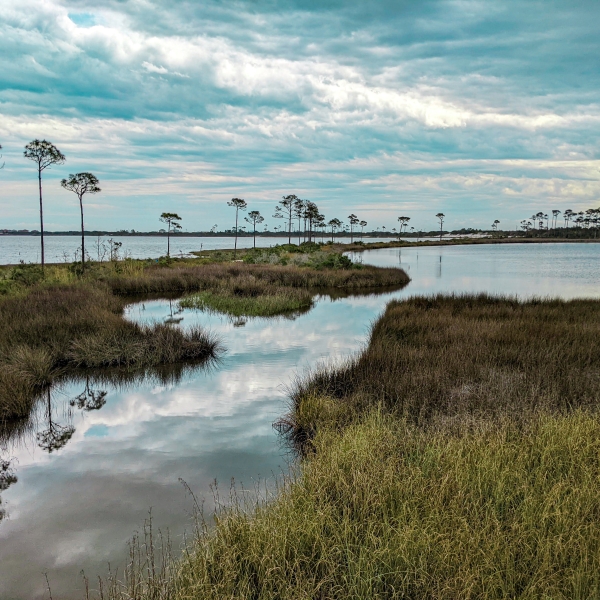
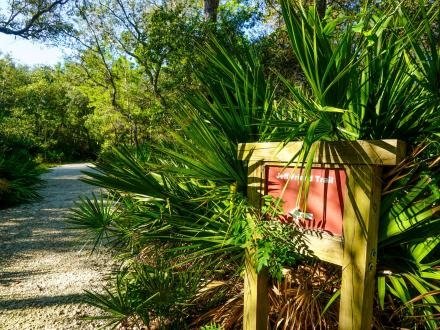
Between the maritime forests and sandy shores lies a living ecosystem all its own. As ocean winds and salty spray blow in from the coast, they create a twisted sculpture of hardy shrubs and low-lying trees that provide shelter for wildlife and protect inland areas. You may spot sand pine, sand live oak, myrtle-leaved oak, and Florida rosemary, among others.
Sea Oats
Sea Oats
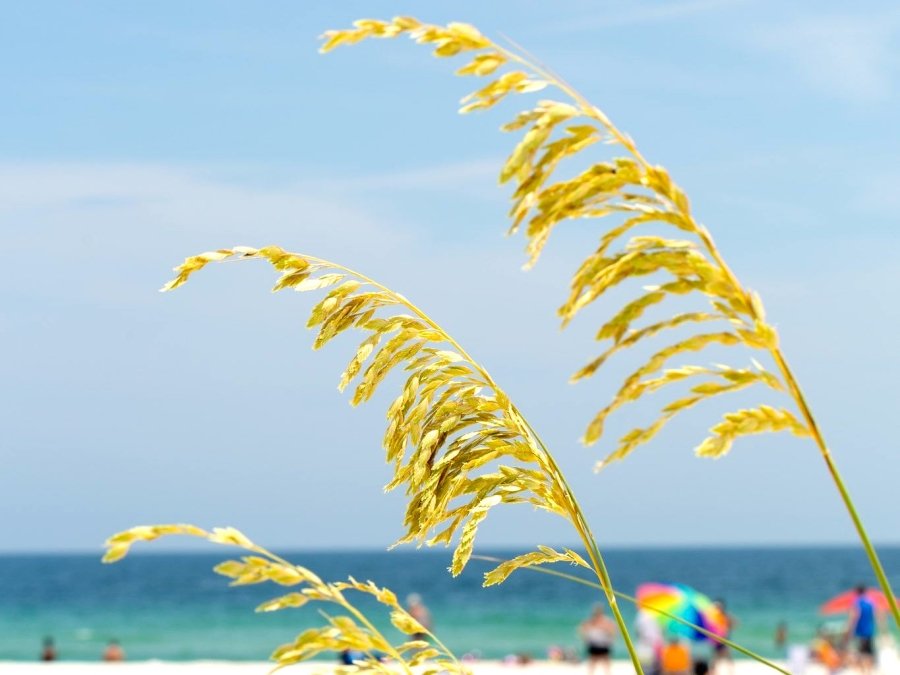
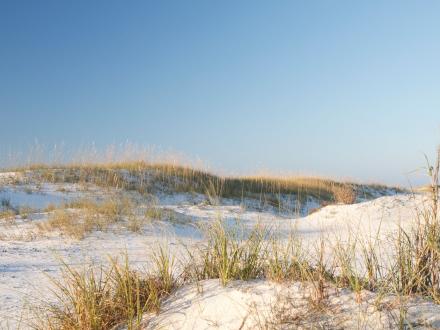
As you approach the frontal dunes, keep your eyes peeled for swaying stalks of sea oats. These native coastal plants keep the dunes intact and provide a tasty meal for the Alabama Beach Mouse. Remember to observe the sea oats from afar and not walk on the dunes.
Bon Secour National Wildlife Refuge Trailheads
Be sure to add a visit to Bon Secour National Wildlife Refuge to your itinerary when visiting Alabama's Beaches!