Why the Sand is So White
in Gulf Shores & Orange Beach
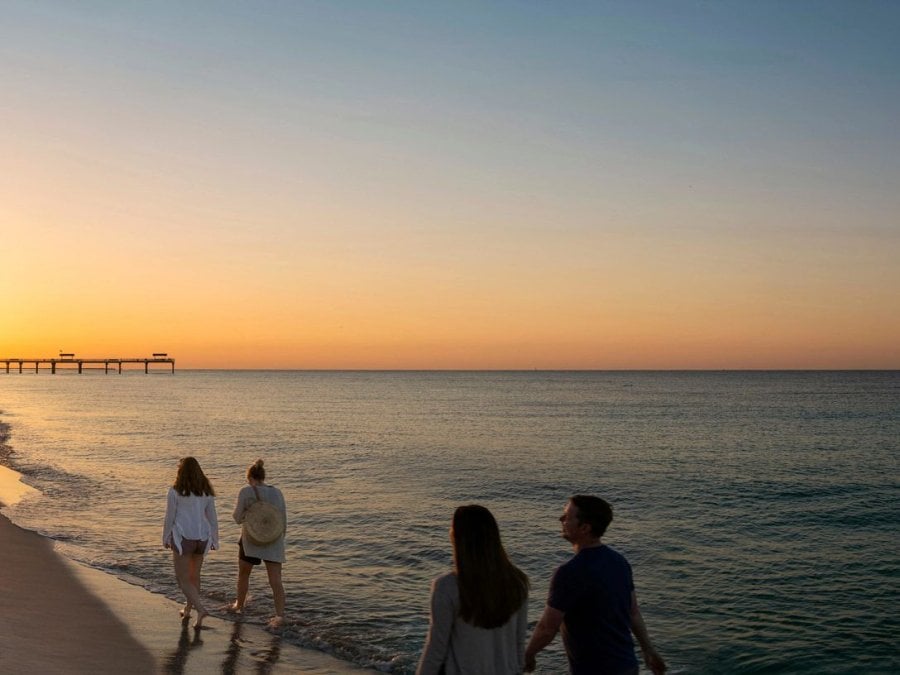
For many travelers, stepping onto the soft, sugary sands and heading towards the water is the start of an unforgettable vacation. The powdery texture of the stunning shorelines on Alabama’s Beaches is what sets the destination apart from so many other beaches. The sand across Gulf Shores, Orange Beach, and Fort Morgan is composed of 99% pure Appalachian quartz, which gives it a fluffy feel and a bright white color.
“The beaches along the coast are as white as sugar for a reason. The sand here is made up of tiny grains of quartz crystals that have been washed down from the Appalachian Mountains for thousands of years.” - Mahesh Borase, Leave Only Footprints
What Makes the Sand on Alabama’s Beaches So Soft and White?
The smooth and squeaky sand on Alabama’s Beaches is uniquely soft and white due to a combination of its composition, grain size, grain shape, and mineral makeup.
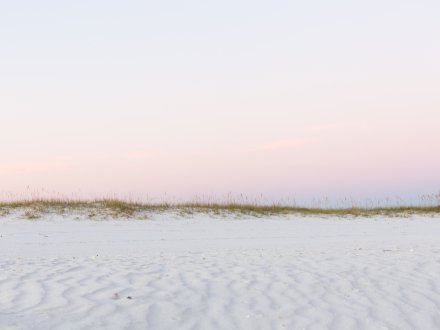
The Sand on Alabama’s Beaches Is Fine White Quartz
Unlike most beaches, the sand across Alabama’s Beaches is made almost entirely of pure white crystals rather than pulverized organic matter such as seashells, coral, or rock. This absolute mineral purity is why Alabama’s Beaches are white. The absence of darker iron or clay minerals prevents muddy discoloration and keeps the water clearer.

Fine Grains Feel Smooth Underfoot
The smaller, finer sand grains that line the shorelines are what make the beach feel so soft and smooth. Simple acts like walking, sitting, or playing in the sand offer a different sensation than other beaches. Even common beach activities like building sandcastles are notably distinct, thanks to the sand’s tiny grain size.
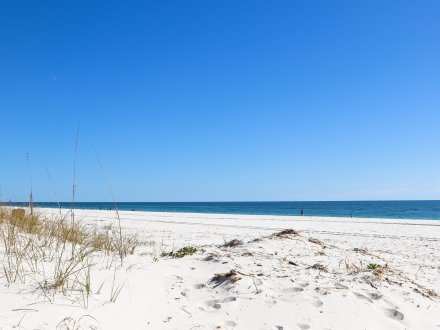
Rounded Quartz Feels Softer Than Shell or Pebble Sand
These sand grains are shaped by water, waves, and movement, becoming more rounded and polished over time. Quartz is durable and remains as sand while gradually becoming smoother through these natural coastal processes. Other beaches composed of shell fragments, pebbles, or sharper mineral particles can feel rougher and even uncomfortable when walking barefoot.
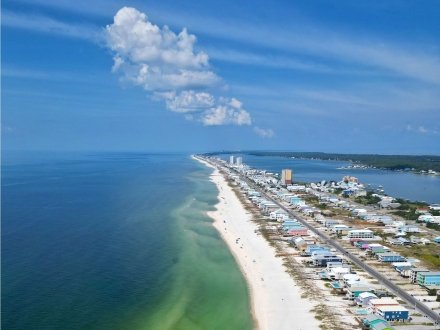
White Quartz Creates the Signature Bright Look
One of the most striking parts of Alabama’s Beaches is the bright white color of the sand. This snow-like appearance is due to the sand’s quartz composition and light color. The brilliant white quartz sand reflects the full spectrum of solar light rather than absorbing it, helping prevent it from holding heat. This makes it comfortable for beachgoers to walk along the shore without burning their feet.
How Quartz Sand Reached Alabama’s Shores
The quartz sand beaches across the Gulf Coast formed over tens of thousands of years through erosion, which broke down rock in the Appalachian Mountains. After the last ice age, large amounts of meltwater pushed these pulverized quartz crystals into rivers, which carried them southward. Now, the sediment shapes the iconic shorelines along Gulf Shores, Orange Beach, and Fort Morgan.
Where to Enjoy the Soft White Sand on Alabama’s Beaches
Alabama’s Beaches is home to 32 miles of unbeatable shorelines that can be enjoyed across Gulf Shores, Orange Beach, and Fort Morgan. While each area offers a different vacation experience, they all share the same gorgeous powdered-sugar-like sand and turquoise waters.
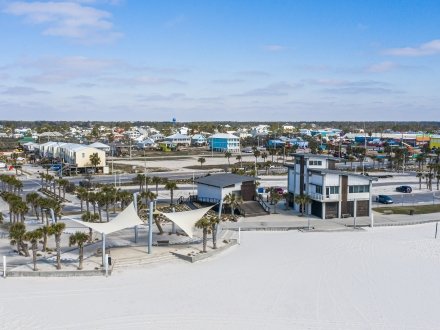
Gulf Shores
Gulf Shores’ white sand beaches are wide and vibrant, making spending a day by the water a breeze. The city’s main public beach, Gulf Place, has several accessible beach mats, boardwalks, and paved sidewalks that allow beachgoers to reach the water easily. The shaded areas and large grassy lawn provide a gathering area for Gulf-front picnics. Nearby restaurants and stores allow for delicious meals by the beach and convenient souvenir shopping.
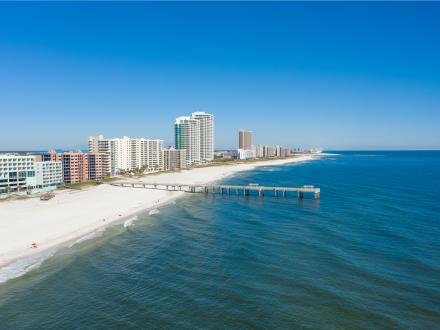
Orange Beach
Orange Beach offers several Gulf State Park public beach access points spread out across eight miles of shoreline. These scenic spots are great for soaking up rays, floating in the water, or playing in the sand. Accesses like Cotton Bayou and Alabama Point are great for long beach days as they offer restrooms, showers, and easy boardwalk access to the sand. Those seeking a more laid-back beach experience will enjoy the relaxed atmosphere of Shell Beach and Romar Beach.
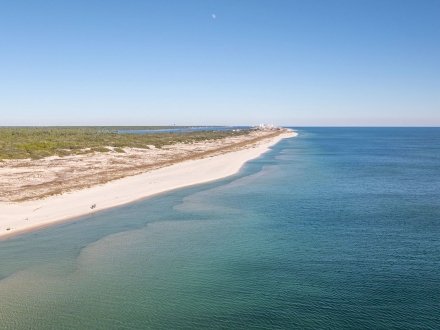
Fort Morgan
The open shorelines along the Fort Morgan peninsula offer a slower pace in more natural settings. This area boasts the same gorgeous beaches, but in a more secluded, tranquil setting. The only official public beach in Fort Morgan is the Bon Secour National Wildlife Refuge beach access on Mobile Street. This quieter site is ideal for reading, sightseeing, and taking long beach naps before exploring the other unique experiences in Fort Morgan.
Help Protect the Beauty of Our Coast
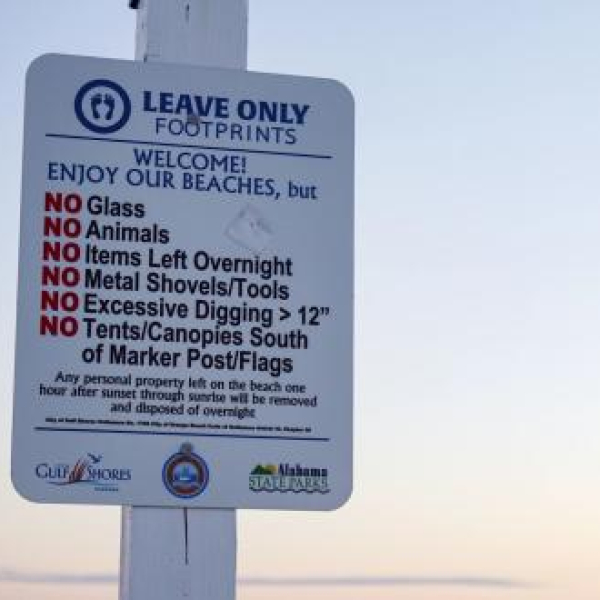
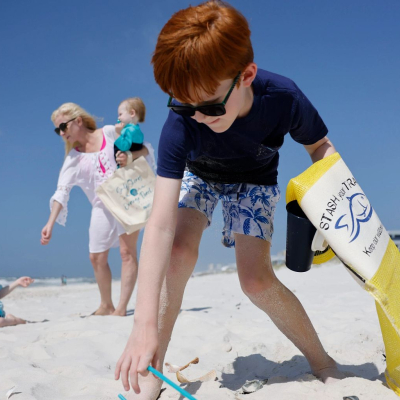
The gorgeous white sand and clear waters are the beating heart of Alabama’s Beaches. Preserving these beaches is essential to keeping them pristine for generations to come. While enjoying the shore, adhere to the community-wide Leave Only Footprints initiative by using designated boardwalks, following posted beach rules, picking up trash, and removing all belongings before leaving.
Step Onto the Softest Sand on Alabama’s Beaches
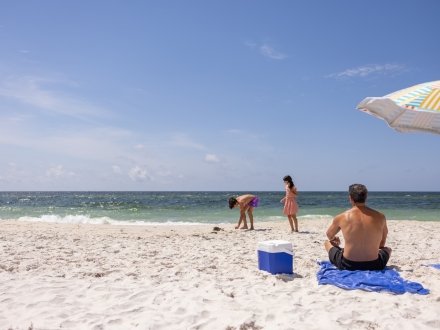
Not all beaches are created equal. The soft, powdery sands that line the beaches in Gulf Shores, Orange Beach, and Fort Morgan are unparalleled. Before experiencing the breathtaking shorelines on Alabama’s Beaches, discover the best public beach accesses, review the area’s beach rules and regulations, and always check the daily beach flags and surf conditions.
Learn more about the pristine, white sand beaches on the Alabama Gulf Coast!

Sydnie Lee
A Gulf Coast native and Travel Marketing Professional, Sydnie is Alabama's Beaches Content Specialist (AKA taste tester and destination researcher.) She spends time visiting restaurants, attractions, activities, and events in the area to get the inside scoop on all things happening in Gulf Shores, Orange Beach, and Fort Morgan.